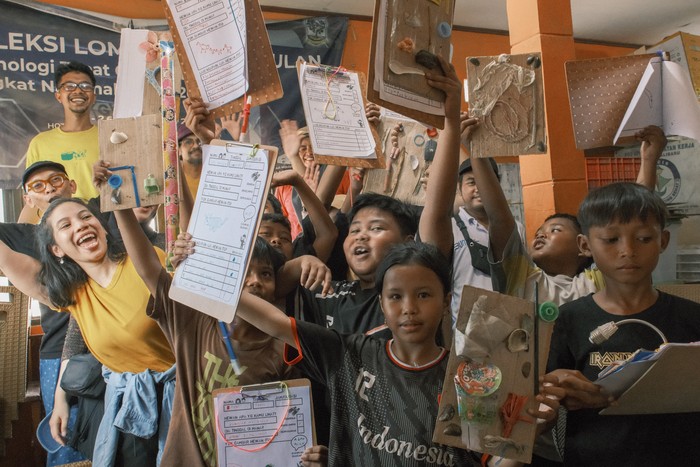
JAKARTA – Museum MACAN launches a groundbreaking art education initiative in Kalibaru, North Jakarta. The program operates under the title CORAL: Coastal Vernacular Lab. This initiative unites designers, students, and the local fishing community. It collaborates with Grundfos Indonesia, the Poul Due Jensen Foundation, and Playo. The project aims to redefine the role of a museum within society. Head of Education at Museum MACAN, Nin Djani, emphasizes the importance of responding to real-world issues. She believes museums must reflect the challenges that people face daily. The museum staff actively works to extend their influence beyond the physical building.
The Climate Connection: From Olafur Eliasson to Kalibaru’s Shores
The CORAL program draws inspiration from Olafur Eliasson’s solo exhibition at the museum. Eliasson’s work focuses heavily on the climate crisis and the interconnectedness of humans and nature. These themes drive the museum to address environmental issues through community action. Nin explains that the museum seeks a broader impact through cross-sector collaboration. The team identified water as the most critical issue for the residents of Kalibaru. This area stands as one of the densest and most impoverished neighborhoods in Cilincing. Residents face constant challenges regarding sanitation, clean water, and tidal flooding.
Turning Waste into Art: The Power of Local Collaboration
The local green mussel industry provides a livelihood for many but also generates massive amounts of shell waste. This waste pollutes the coastline and alters the natural landscape. The program partners with Cangkring, a local cooperative that processes these shells into functional products. Cangkring creates tiles, paving blocks, and sanitation tools from the discarded materials. Three Indonesian design collectives—Unconditional Design (part of ARTLAB Ruang Rupa), Labtek Apung, and Kampung Kolektif—actively lead the creative process. Students from SDN 09 Pagi and SMKN 36 also participate in the workshops. This partnership turns environmental hazards into sustainable design solutions.
The Living Lab: Co-Architecting a Sustainable Future
Adil Alba, Chief Director of Playo, describes CORAL as a living laboratory. He views the project as more than just a typical design residency. The program creates a shared canvas where local actors become co-architects of their environment. Both human and non-human elements play a vital role in this ecosystem. The initiative follows five distinct phases, starting with orientation and co-creation sessions. Designers currently undergo a 14-day residency in Kalibaru to develop their prototypes. The public will see the final results at Museum MACAN starting May 29, 2026. This exhibition offers a vision of how art and community can reshape the world together.